

Dental Langer Curette 3/4 Periodontal 3 Pack

Dental Langer Curette 3/4 Periodontal 3 Pack
Dental Langer Curette 3/4 Periodontal 3 Pack for Versatile Anterior Instrumentation
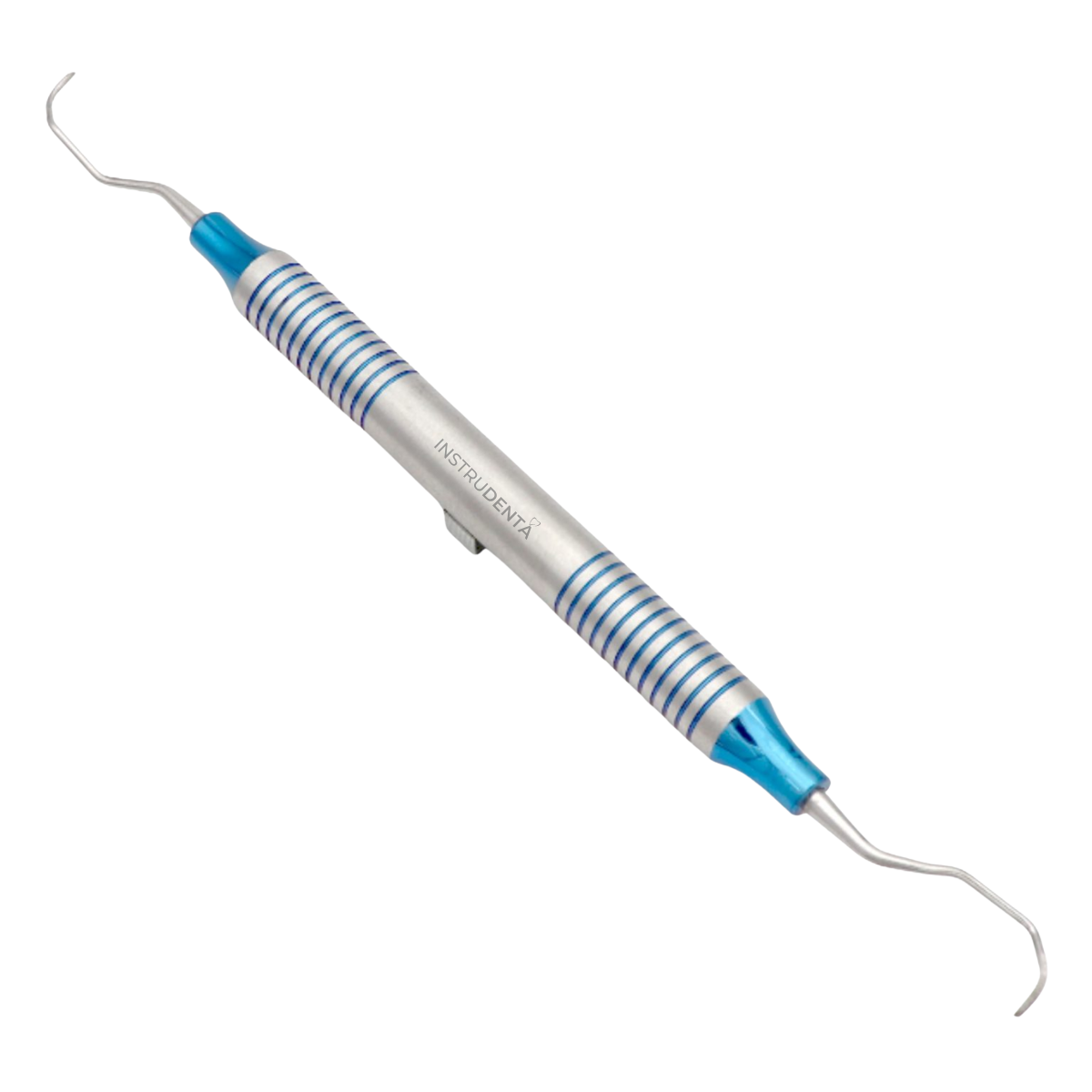
The Dental Langer Curette 3/4 Periodontal 3 Pack is a specialized periodontal instrument set engineered to deliver efficient scaling and root surface debridement across anterior tooth surfaces. Designed for dental hygienists and clinicians seeking a balance between versatility and precision, this hybrid curette combines universal-style flexibility with area-adapted performance to simplify everyday periodontal care.
Each Langer 3/4 curette features a carefully contoured working end that adapts effectively to anterior tooth anatomy, allowing clinicians to instrument both mesial and distal surfaces with greater efficiency. Its hybrid blade geometry supports accurate plaque and calculus removal while minimizing the need for multiple instrument changes during treatment. The balanced design provides smooth adaptation to root surfaces and reliable cutting performance, making it suitable for both routine hygiene appointments and detailed periodontal maintenance procedures. The 3-piece set configuration promotes uninterrupted clinical workflow by allowing convenient instrument rotation during busy practice sessions. Ergonomically designed handles enhance grip stability and tactile sensitivity, helping clinicians maintain precise control while reducing hand fatigue during extended use.
Manufactured from high-quality surgical stainless steel, the Dental Langer Curette 3/4 Set offers exceptional durability, corrosion resistance, and long-lasting edge retention. Fully reusable and compatible with standard sterilization protocols, it is an essential addition to periodontal therapy, preventive dentistry, and professional dental hygiene instrument kits.
Key Features
- Designed for efficient anterior scaling and root surface debridement.
- Hybrid Langer 3/4 curette pattern for versatile multi-surface adaptation.
- Optimized for mesial and distal instrumentation with fewer tool changes.
- Precision blade geometry for controlled plaque and calculus removal.
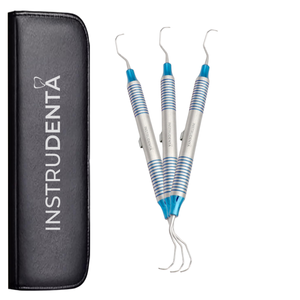
- Convenient 3-piece set for uninterrupted clinical workflow.
- Manufactured from high-quality surgical stainless steel.
- Reusable and fully autoclavable for professional dental practice.
Frequently Asked Questions
What is the Langer 3/4 curette primarily used for?
It is commonly used for periodontal scaling and root surface debridement in anterior regions, offering efficient adaptation across multiple tooth surfaces.
How does the Langer 3/4 design improve clinical efficiency?
Its hybrid working end allows clinicians to scale mesial and distal surfaces with fewer instrument changes, helping streamline periodontal procedures.
Why is a 3-pack curette set beneficial for dental practices?
A three-piece configuration supports continuous workflow by allowing instrument rotation during procedures and between sterilization cycles.
Which clinical situations are best suited for the Langer 3/4 Curette?
It is ideal for routine periodontal maintenance, preventive dental hygiene, and anterior scaling procedures where versatility, precision, and efficient instrumentation are essential.